Amusement park digital signage by Disign
Amusement park digital signage that keeps guests moving and spending
Turn every screen into a real time guest guide and sales driver. With Disign amusement park digital signage, you can update wait times, wayfinding, show schedules, safety messages, and upsell offers in minutes, across your entire park, with consistent branding and central control.
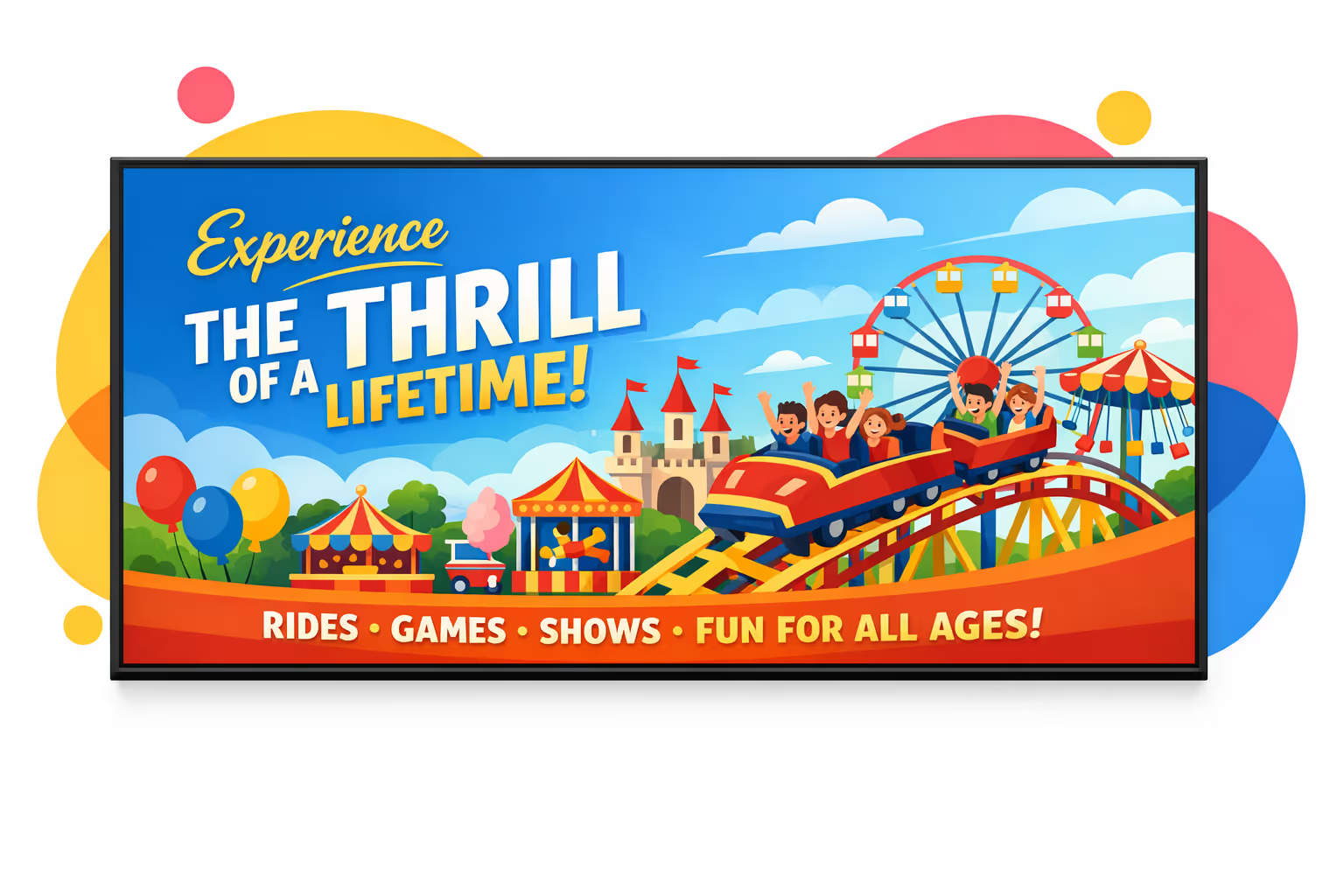
Challenges in amusement park communication when information falls out of sync
In an amusement park, guests expect clear, instant guidance from the moment they enter. When updates are hard to spot or contradictory, questions multiply, queues slow down, and the guest experience suffers.
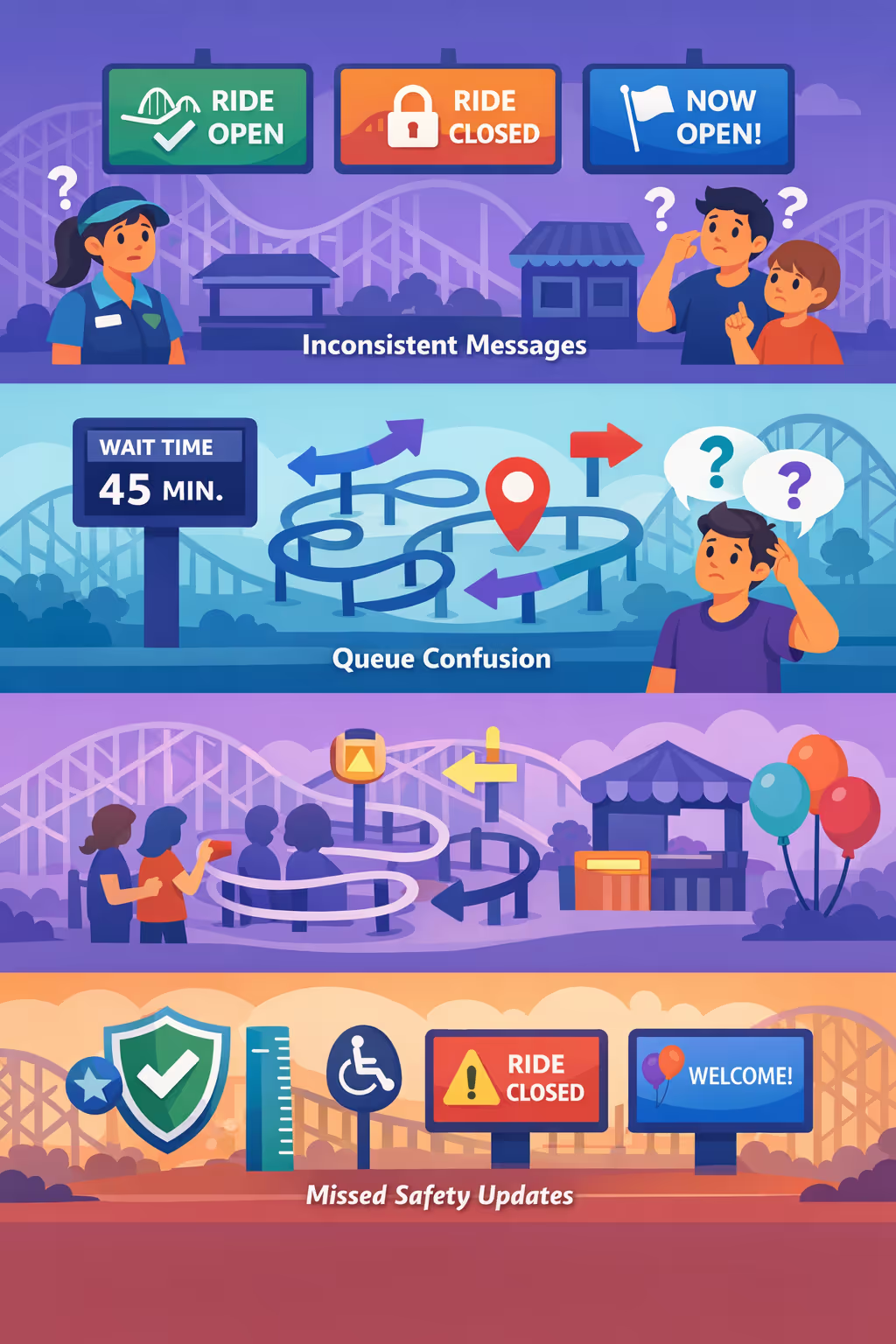
Ride status, show schedules, and capacity rules can change minute to minute. When operations, guest services, and retail share different information, guests lose trust and staff spend more time clarifying than serving.
Guests want to know where to queue, what the next step is, and how long the wait will be. Without clear visible guidance, employees get interrupted with the same questions, and lines feel longer even when they are not.
Height restrictions, accessibility instructions, and temporary closures must be communicated accurately and consistently. When signs, printed notices, and staff briefings are not aligned, guests follow the wrong directions, creating frustration, safety risk, and avoidable escalations.
Amusement park digital signage that boosts guest experience and revenue
Turn every screen into a real time channel for ride updates, queue guidance, and in park promotions. Disign helps amusement parks update content instantly, reduce printing, improve traffic flow, and drive measurable ROI from food, retail, and ticket upsells.

Increase in park sales with timely promotions
Promote meal deals, merchandise, photo passes, and fast access options at the moments that matter. With amusement park digital signage, you can switch campaigns in seconds and keep prices and offers accurate across every zone.
Improve crowd flow and reduce perceived wait time
Share queue info, show times, and smart wayfinding to guide guests to less busy areas. Clear updates help reduce frustration, keep visitors engaged, and make the park feel faster even during peak hours.
Prove ROI with performance focused content
Schedule messages by location, time of day, or audience type and track what drives action. Amusement park digital signage helps increase basket size and repeat purchases while lowering ongoing campaign costs.
Keep safety and brand communication consistent
Publish ride safety rules, accessibility info, and emergency messaging with consistent templates. Update instantly across the park while keeping your brand voice clear, polished, and trustworthy.
Lower printing costs and simplify daily operations
Replace frequent poster swaps with a central workflow that teams can manage in minutes. Save on printing, shipping, and staff time while keeping every screen up to date from one place.
Personalize messages by zone, language, and audience
Tailor content for kids areas, thrill zones, restaurants, and events, and support multiple languages for international guests. Deliver local relevance without losing control of your overall park strategy.
Amusement park digital signage use cases that improve the guest experience
Across entrances, queues, restaurants, and retail, amusement park digital signage keeps guests informed in real time, reduces repetitive questions for staff, and builds trust with clear, consistent updates. Teams rely on it daily to communicate wait times, safety messages, and park wide announcements with confidence.
- Entrance and ticketing: share opening hours, ticket options, directions, and last minute alerts so arrivals feel guided from the first minute
- Queue and ride areas: display live wait times, ride status, height requirements, and safety reminders to reduce uncertainty and improve flow
- Food and beverage: highlight menus, allergens, promotions, and pickup instructions to speed up ordering and keep lines moving at peak hours
- Staff and back of house: keep teams aligned with operational updates, incident protocols, staffing messages, and daily KPIs across every zone

How Disign digital signage works
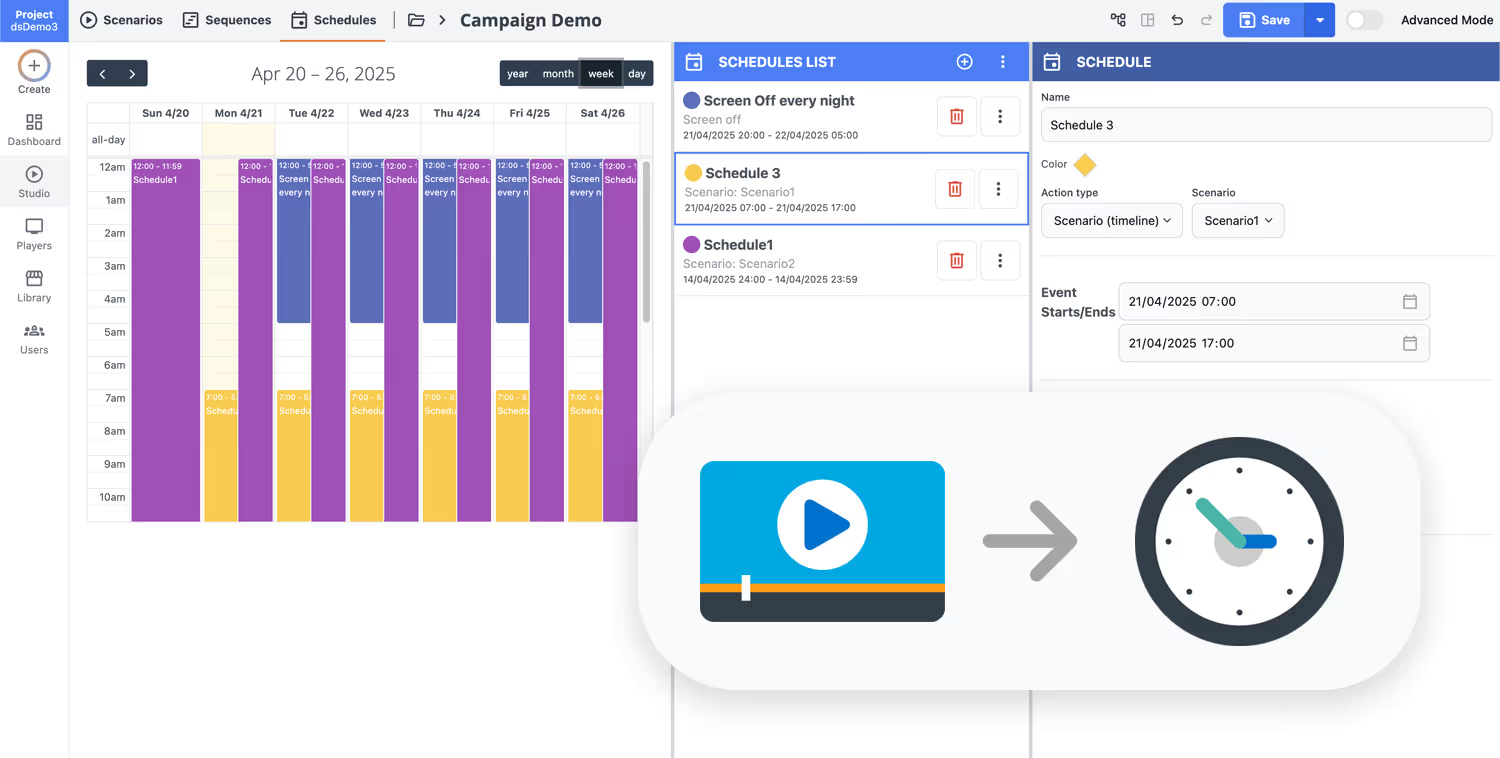
Schedule your content from anywhere with our cloud-based digital signage solution. Easily plan what plays, when, and where—across one screen or thousands.
Design custom scenarios and playlists tailored to your audience and goals.
Set precise dates and times for your content to play automatically.
Deploy content instantly across your digital signage network with just a click.
Ready to launch amusement park digital signage that guests actually notice?
Start your 28-day free trial of Disign to publish wait times, ride status updates, park maps, show schedules, safety messages, and promo offers across every screen in minutes. No credit card required, just a simple way to keep guests informed and queues moving.
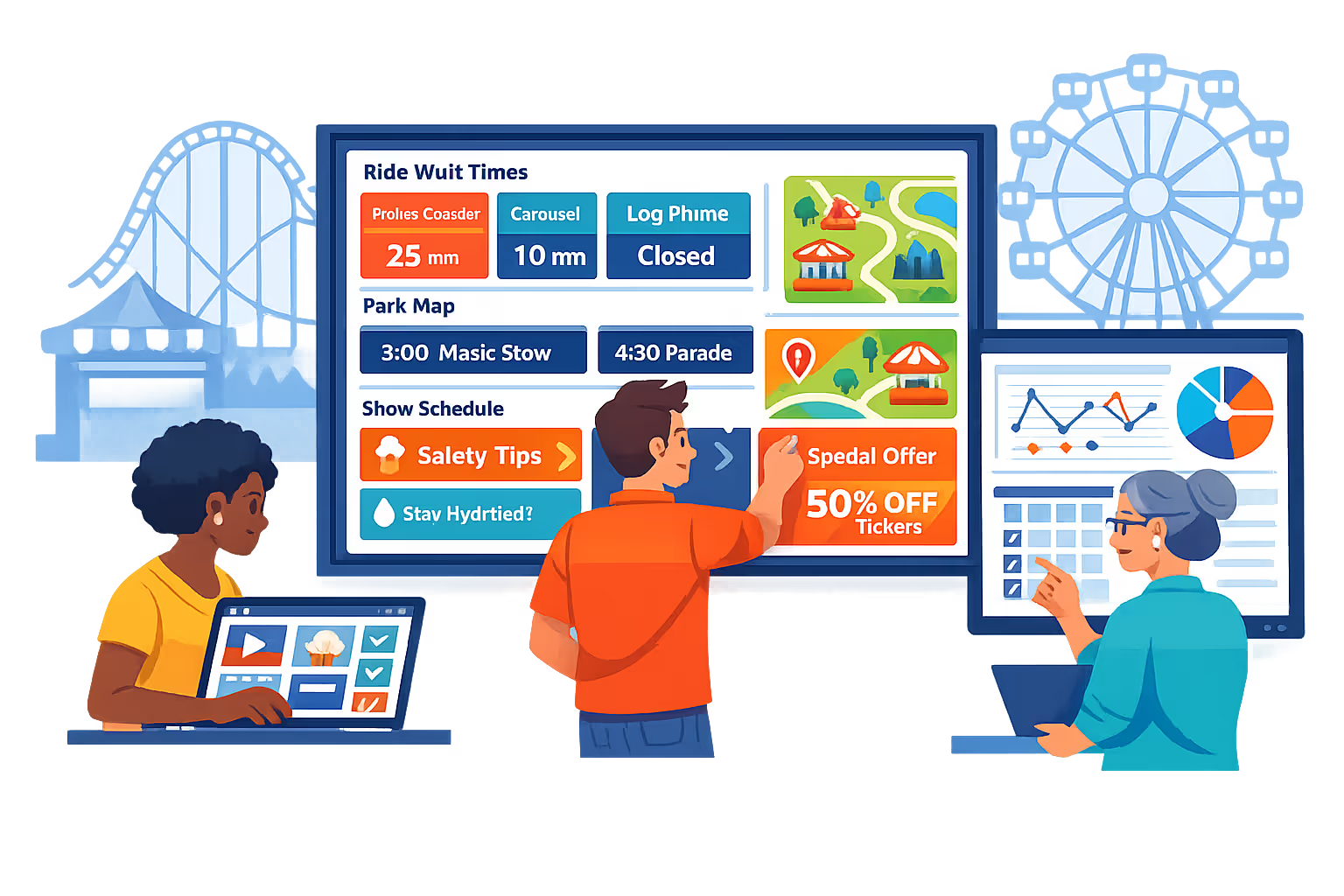
Amusement park digital signage built for real time guest flow and on site operations
Run every screen from one platform and keep messages accurate across rides, queues, entrances, food areas, and retail. Disign helps your team publish wait times, safety guidance, event updates, and promotions with secure access, scheduling, and reliable playback.
One console for every park zone
Target content by area, screen group, or venue type
Manage amusement park digital signage at scale with zone based targeting for ride entrances, queue lines, food courts, stages, and retail. Use reusable playlists and screen groups to keep branding consistent while allowing localized messaging where it improves guest experience.
Secure roles, devices, and sign in
Control publishing rights without slowing operations
Protect content and screens with role based permissions, device pairing, and controlled access for vendors and teams. Keep an audit trail of who changed what and when, so critical guest information stays trustworthy during peak hours and special events.
Approval workflows for safety critical content
Draft, review, approve, then publish with confidence
Keep safety notices, height restrictions, and emergency instructions consistent with structured publishing workflows. Use versioned templates and approval steps to reduce errors and ensure the right message appears on the right screens at the right time.
Scheduling and daypart automation
Run timed campaigns, event playlists, and recurring updates
Automate amusement park digital signage with schedules that match operating hours, parade times, and peak queue periods. Preload event content, rotate offers, and switch messages instantly for weather changes or operational updates, without manual screen by screen edits.
Playback reliability and health monitoring
Detect offline screens and verify content delivery
Keep guest communication continuous with remote monitoring and diagnostics. Track player status, confirm what is currently playing, and address issues fast so directional signage, wait time boards, and safety messages stay visible when guests need them most.
Fast rollout with technical support
Tools and guidance for IT, operations, and marketing
Launch and expand with standardized templates, clear user roles, and practical onboarding. Our team helps you set up your screen network, optimize playlists for different venues, and troubleshoot devices so your amusement park digital signage remains stable, maintainable, and easy to operate.
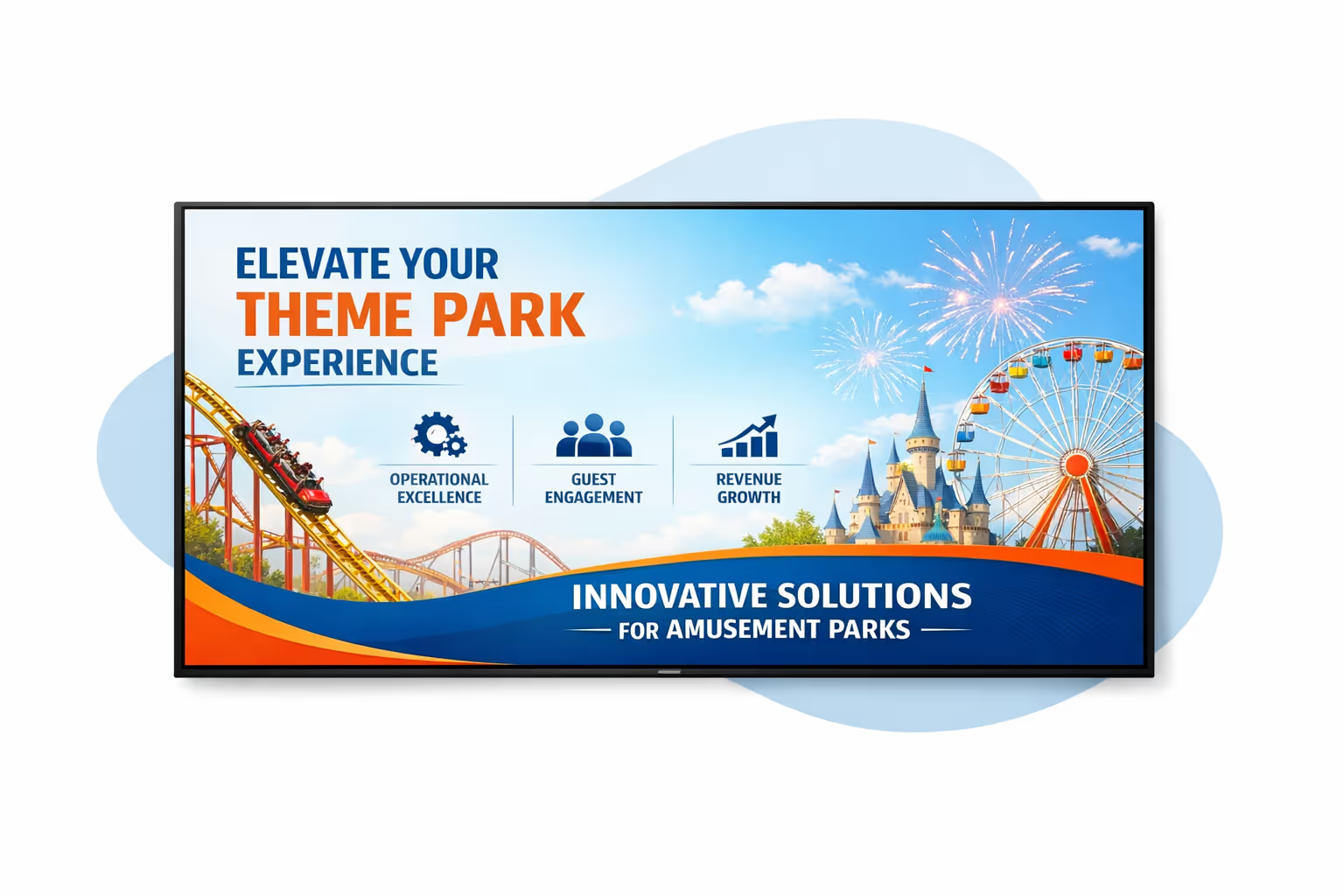
Centralized content management for amusement park digital signage
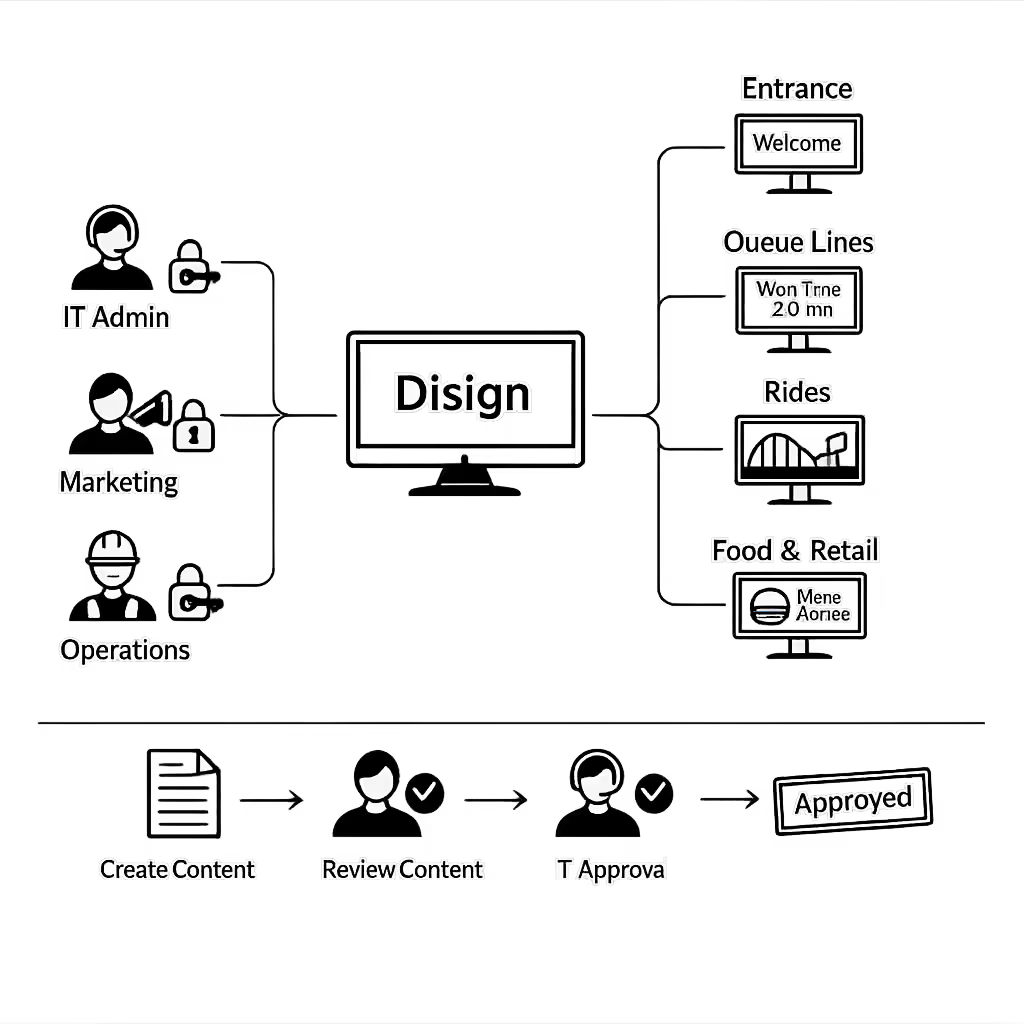
Run your amusement park digital signage from one secure platform. Create, approve, schedule, and publish content across entrances, queue lines, ride areas, food courts, and retail, with the governance IT requires and the speed marketing and operations rely on.
One hub for every attraction, screen, and message
Park wide control with zone level flexibility
Launch brand consistent campaigns across the whole park while allowing each zone to publish approved local updates like ride closures, showtimes, capacity notices, and menu changes, without breaking standards.
Seasonal campaigns, daily schedules, and on site moments
Schedule content by zone, screen type, time of day, or event. Keep promotions consistent, safety messaging timely, and guest information accurate across your amusement park digital signage network.
Built for IT governance, permissions, and compliance
Centralize access with role based permissions, approvals, and playback policies so every screen update follows your park standards, security requirements, and audit expectations.
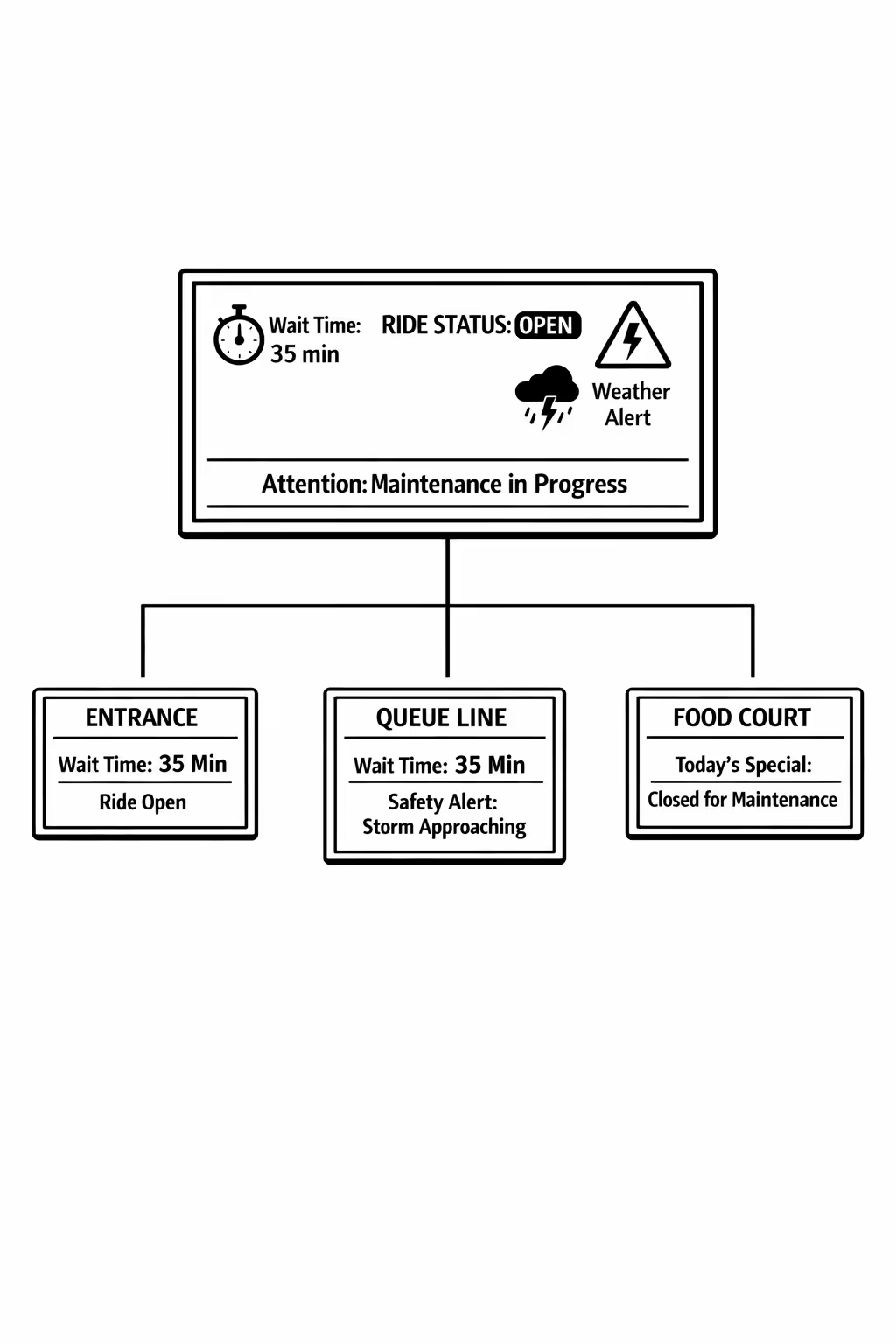
Real time updates for ops, safety, and guest experience
Push wait times, ride status, weather alerts, and service announcements in seconds. Keep every screen accurate during peak attendance, incidents, or schedule changes, without chasing teams across the park.
Scalable amusement park digital signage for growing park networks
Scale amusement park digital signage across multiple parks, zones, and venues from one cloud platform. Launch updates in minutes, keep governance tight, and protect brand consistency as your amusement park network expands.
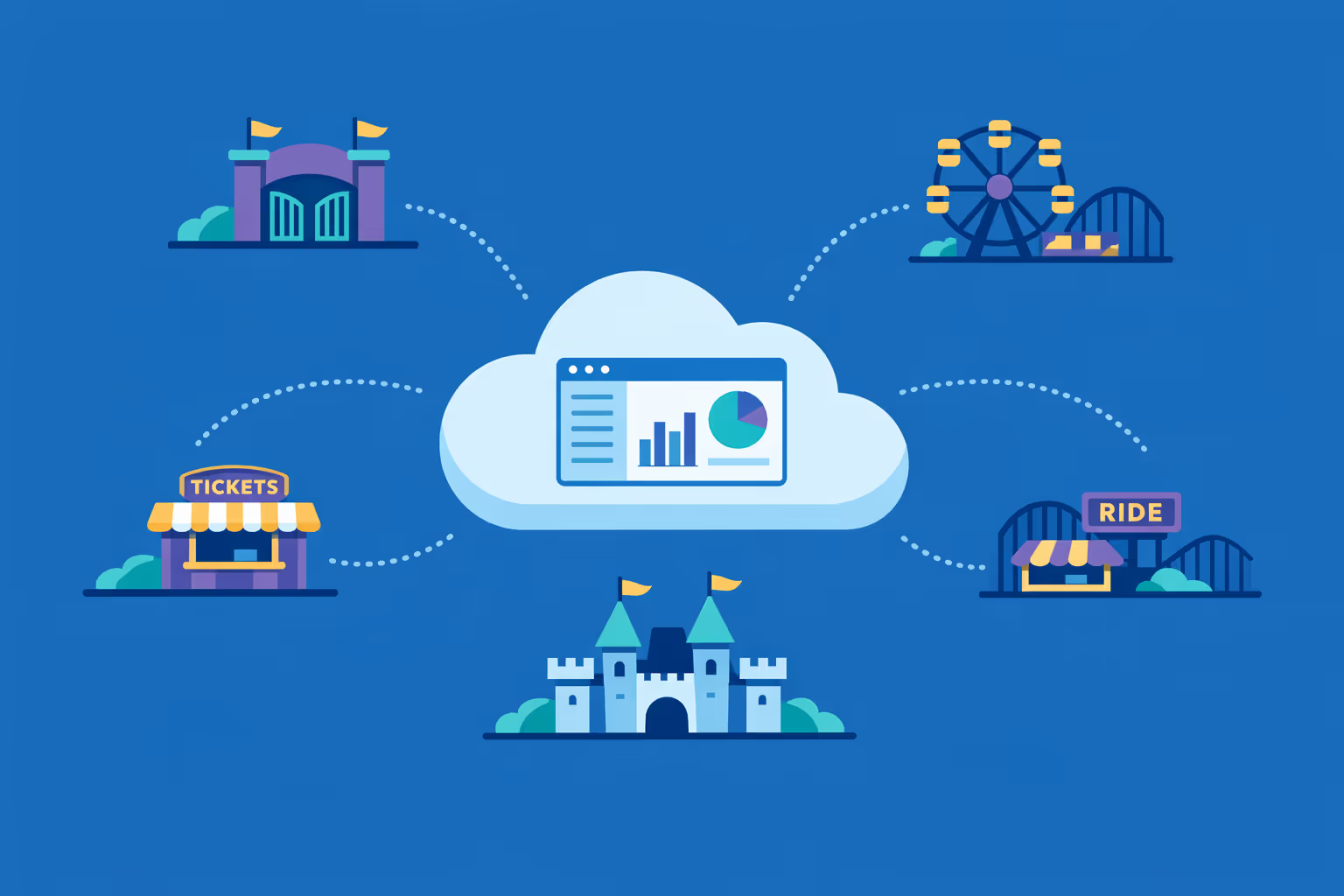
Multi-site management from one cloud dashboard
Oversee amusement park digital signage across every location from a single view. Publish ride status, queue updates, safety notices, and offers instantly, verify what is playing, and keep every park aligned to your brand standards.
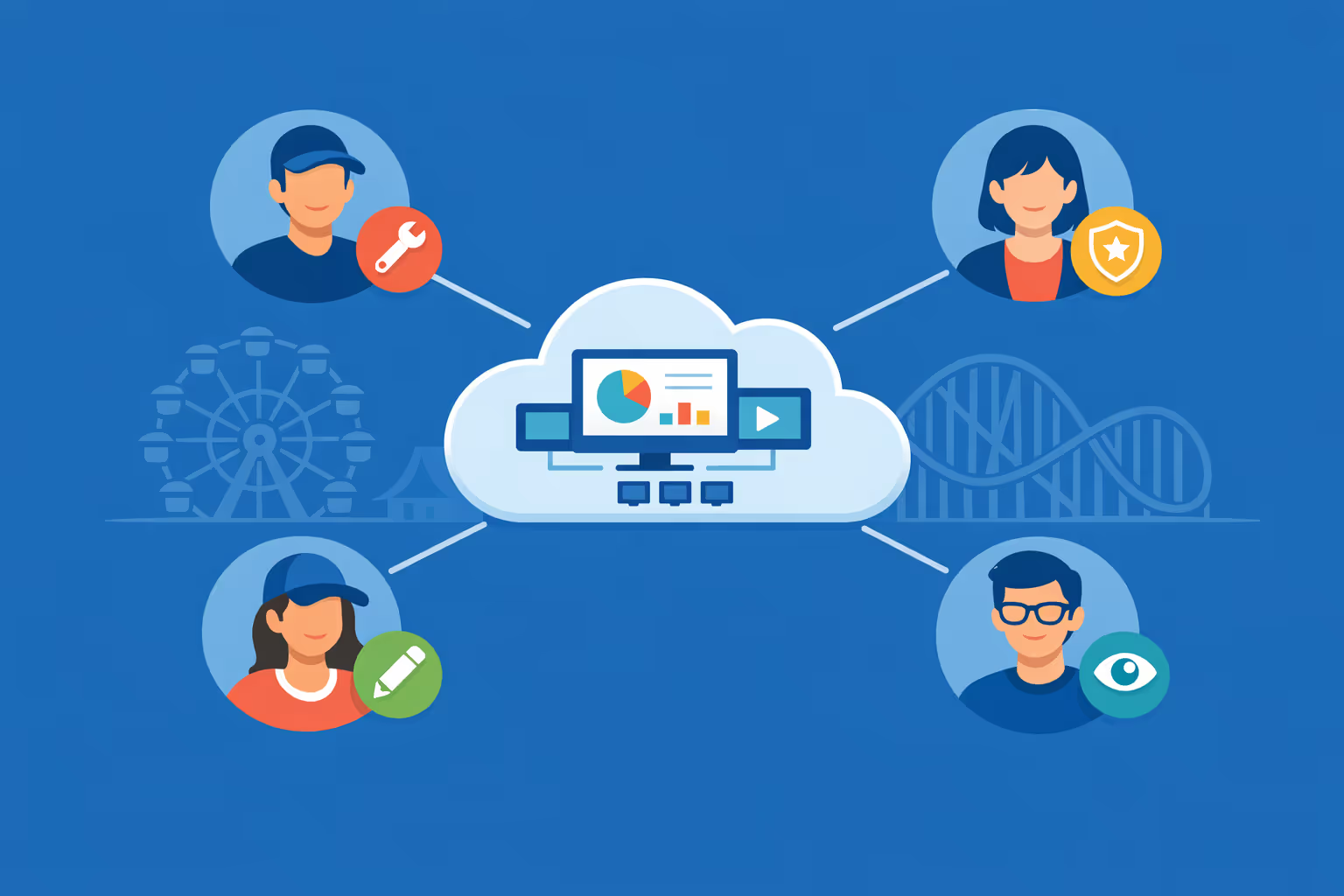
Multi-user access with role-based permissions
Give the right people the right access. Assign roles by department, park, or region so marketing, operations, and guest services can move fast while approvals, compliance checks, and ownership stay clear across your amusement park network.
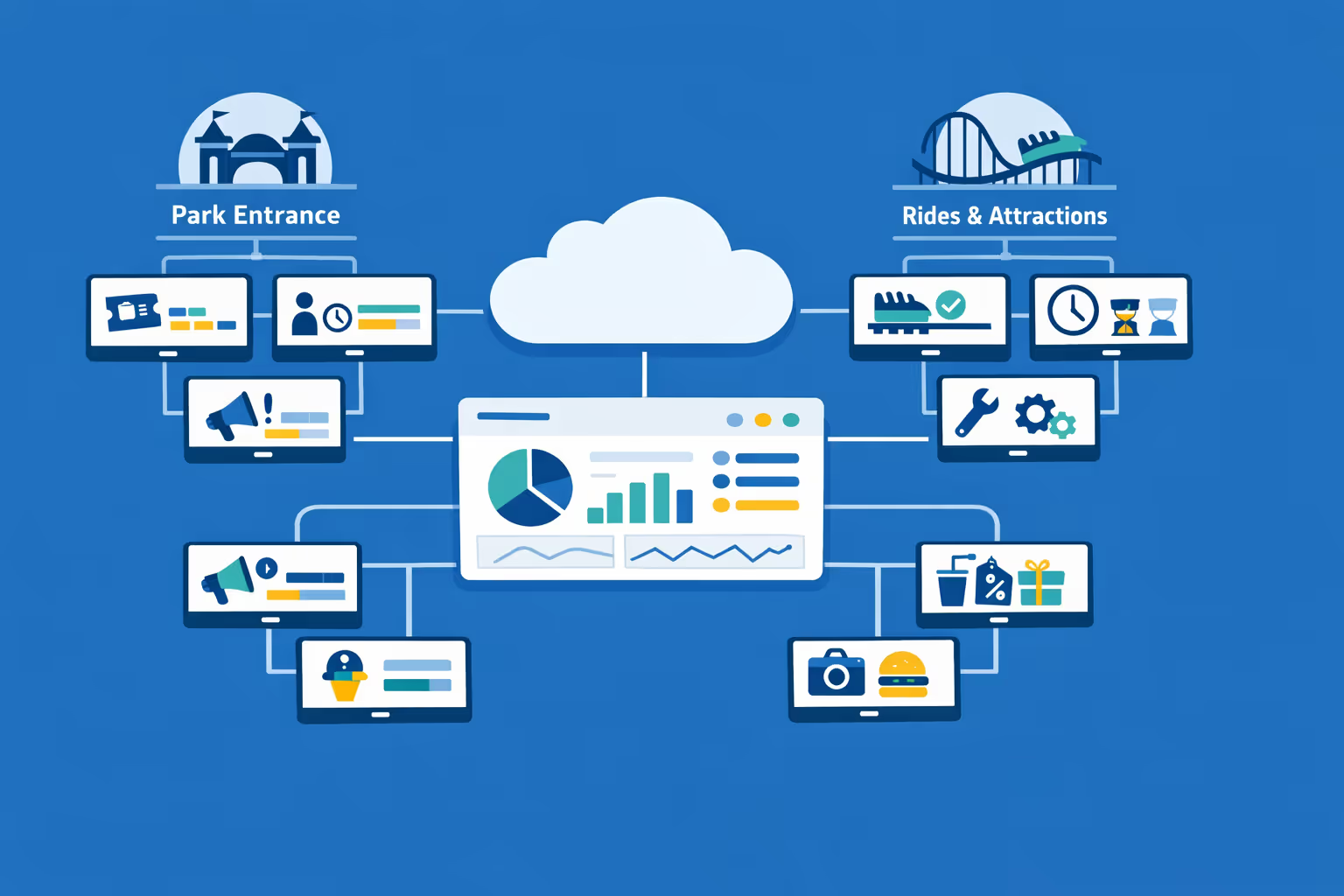
Multi-screen and multi-organization ready
Manage thousands of screens and multiple organizations in one account. Segment amusement park digital signage by park, land, venue, or brand so you can scale confidently while keeping local content relevant for every guest experience.
Disign is compatible with all screens for digital signage
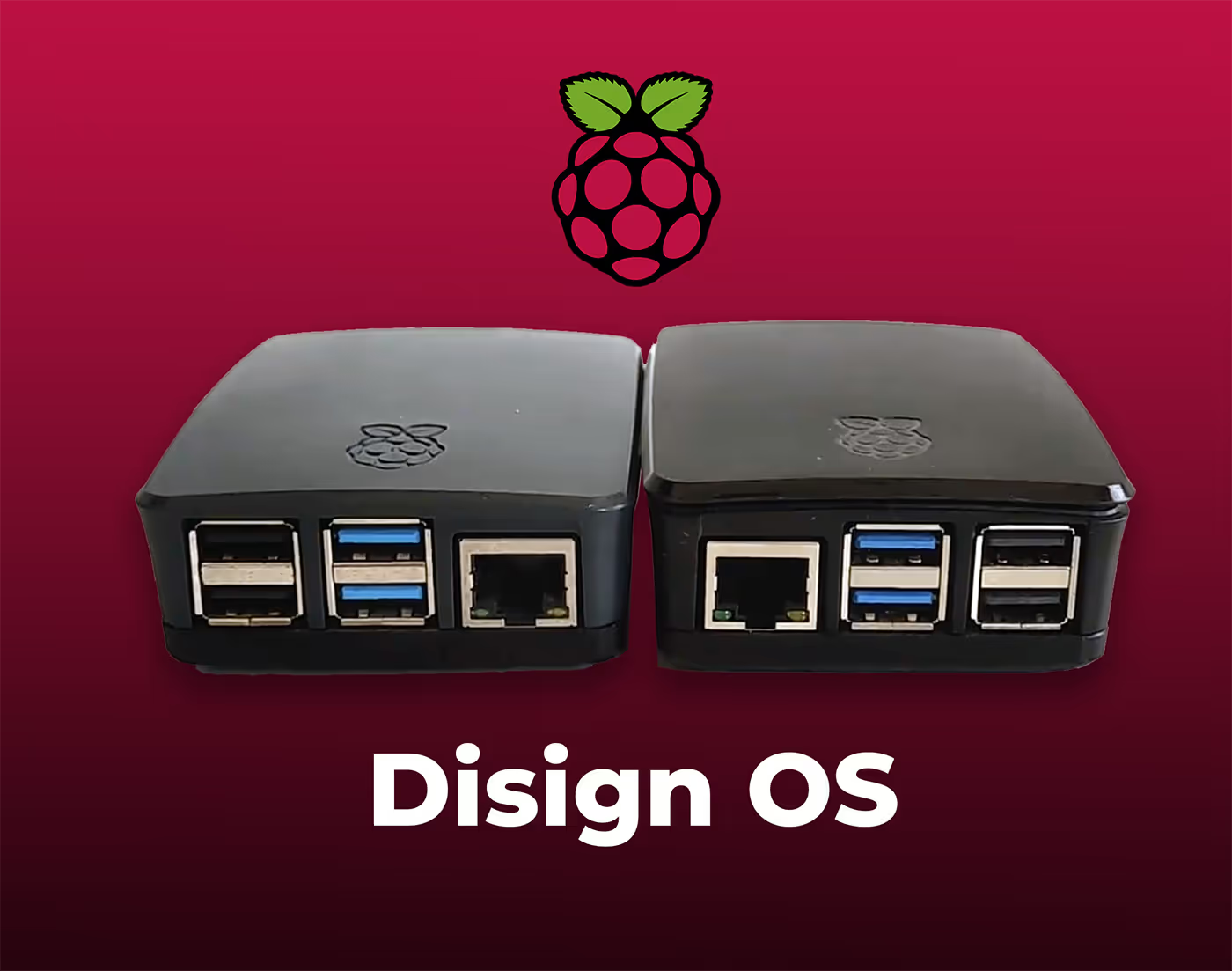
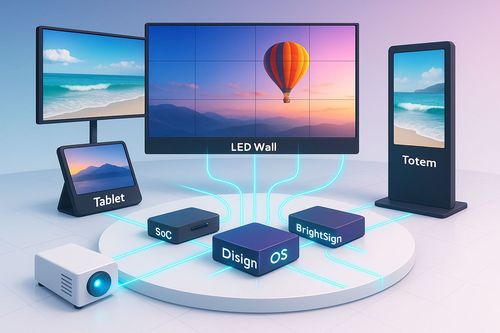
Digital signage with Disign allows you to manage and display content across a variety of devices. Our solution is compatible with many external players such as Disign OS based on Raspberry Pi, BrightSign, and any Android hardware. Disign also supports technologies embedded in Samsung, LG, and Android TV screens. With this broad compatibility, you can easily deploy digital signage solutions on different types of hardware, ensuring simplified management and an optimal user experience.


Integrate with your favorite Applications
70+ Applications and infini integration with API, Database, and any data source
Easily integrate third-party applications and web content such as YouTube or Vimeo, optimized for seamless playback. Display data from RSS feeds or formats like CSV, JSON, or XML directly on your digital signage screens. Extend display capabilities with advanced applications like grids or collections to enrich Disign scenarios.

We designed Disign to be as open and customizable as possible, both in its visual scenes and in its data sources.
Florent MondoloniCo-Founder, Disign

Video
Utilisez vos medias

RSS Feed
Use your own RSS Feed

Database
Databases

Canva
Create your Design and import it

Google Sheets
Import CSV, Live data...

Website/API
Affiche your website or use API
Everything you need to know about Disign Digital Signage For AmusementPark
Amusement park digital signage FAQ: practical answers for park operators planning a screen rollout
Amusement park digital signage is no longer just a nicer poster. For modern parks, it is an operations and guest experience channel that helps you manage expectations, reduce confusion, drive incremental revenue, and keep safety information visible without adding pressure on frontline teams. This FAQ is written for the amusement park persona who has to deliver a smooth guest journey across entrances, queues, rides, food areas, retail, and entertainment venues, while also working with marketing, IT, and operations constraints.
If you are evaluating a platform like Disign for amusement park digital signage, the questions below cover what matters most: guest flow, content governance, hardware choices, reliability, security, and how to keep messages accurate during peak days.
What is amusement park digital signage and where is it typically used?
Amusement park digital signage means centrally managed screens that display dynamic content across park locations. Unlike static posters, screens can change based on time of day, crowd level, weather, events, or operational needs.
Typical placements include:
- entrance and ticketing screens for opening times, ticket upgrades, and park info
- queue and ride entrances for wait time messaging, safety rules, and height requirements
- directional signage at key junctions to reduce guest wandering
- food and beverage boards for menus, upsells, allergen notices, and combo offers
- retail screens for promotions and limited offers tied to events
- show venue and parade route screens for schedules and capacity messaging
- guest services areas for policies, lost and found, and accessibility information
- staff areas for internal updates and daily priorities
The objective is simple: get the right message in front of guests and staff at the exact moment it helps them most, without requiring someone to walk the park replacing signs.
Why invest in amusement park digital signage instead of printed signs?
Printed signage has two main problems in a park environment: it is slow to update and it becomes outdated at the worst times, like peak season, special events, or unexpected ride downtime.
Amusement park digital signage helps you:
- update information instantly across zones without sending staff to replace posters
- reduce guest frustration with clearer directions, policies, and wait time guidance
- improve in park revenue by promoting food, retail, photo passes, and upgrades in real time
- standardize branding so every zone matches the park look and tone
- support safety and compliance messaging consistently, especially at ride entrances
- reduce printing, shipping, and labor costs over time
For many parks, the real value is operational: when conditions change, you can communicate quickly and consistently, which protects guest satisfaction and reduces pressure on your teams.
What are the best use cases for amusement park digital signage?
The strongest use cases align with the guest journey and the reality of busy days. Parks typically see the biggest impact when screens remove uncertainty and make decisions easier.
Common high value use cases include:
- wait time and ride status messaging at ride entrances and nearby intersections
- clear height requirements and safety reminders before guests enter a queue
- wayfinding to reduce crowding at chokepoints and improve flow between lands
- show schedules, venue capacity updates, and what to do next suggestions
- weather and heat messaging, including hydration reminders and indoor attractions
- food menus with fast updates for sold out items, seasonal offers, and meal bundles
- mobile app prompts like map, wait times, mobile order, and virtual queue instructions
- event messaging for seasonal nights, fireworks, character meet and greets, and parades
- guest services information: accessibility services, locker rules, stroller policies
With Disign, these messages can be scheduled, targeted by area, and updated centrally, so your park does not rely on a last minute scramble when a change happens.
How can amusement park digital signage reduce perceived wait time?
In an amusement park, the wait is part of the experience, but only when guests understand what is happening. When the queue feels uncertain, time feels longer.
Digital signage reduces perceived wait time by:
- setting expectations clearly, for example what the estimated wait is and why it changes
- explaining the queue steps, including virtual queue instructions or boarding groups
- sharing ride story elements, rules, and tips so the time feels purposeful
- highlighting nearby alternatives, like shorter wait attractions or family rides
- offering practical information, like where to refill water or find restrooms nearby
Even if you do not have live wait time data, clear messaging that helps guests plan their next move makes the wait feel more organized and less stressful.
Can amusement park digital signage display live wait times and ride status?
Yes, as long as you have a source for the data. Many parks already track wait times through operations tools, sensors, or the park app backend. The key is turning that information into a secure and reliable display.
Disign can show live data when you:
- embed a web based wait time dashboard
- display content fed by a data endpoint, depending on your integration setup
- schedule fallback content so screens stay useful if data is unavailable
The operational best practice is to design signage that works even when integrations fail. For example, if a ride is temporarily down, screens can switch to alternative attraction suggestions and direction prompts.
How does digital signage help with wayfinding and crowd control?
Wayfinding in a park is harder than most people expect. Guests are distracted, walking in groups, and often deciding on the fly. When directions are unclear, you get clustering, bottlenecks, and more staff time spent answering basic questions.
Amusement park digital signage improves wayfinding by:
- placing directional guidance at decision points, not just on main streets
- adapting messaging by time of day, such as routing to shows or dining during peak times
- highlighting less crowded paths or alternative entrances to popular areas
- supporting temporary routing during construction, parade routes, or ride closures
When paired with consistent naming and map language from your app, screens become a helpful guide that keeps guests moving smoothly.
What content works best for amusement park digital signage?
The best content is easy to understand in three seconds. Most guests will glance, not study. Your creative needs to respect that reality.
High performing content types include:
- one message per screen with a clear call to action
- large readable type and strong contrast for outdoor light conditions
- short safety reminders at the exact location they matter
- menus with clear pricing and simple add on options
- promotional content tied to location, like a nearby snack offer or retail item
- show countdowns and schedule highlights, especially for families planning ahead
Avoid dense paragraphs. If the message needs more explanation, use the screen to point guests to the app, QR code, or guest services, but keep the screen itself simple.
How can amusement park digital signage increase food, beverage, and retail revenue?
Screens influence decisions when guests are already ready to buy. In a park, that moment often happens in line, at the counter, or while waiting for a show.
Revenue driven tactics include:
- upsell combos and add ons on menu boards at the point of purchase
- time limited offers during peak meal windows
- promoting refillable cups and souvenir items with clear value messaging
- bundling experiences like photo passes, express access, or evening events
- highlighting best sellers to speed up ordering and reduce friction
With Disign, you can test different creative, schedule offers by time and location, and keep pricing consistent across the park.
Can amusement park digital signage support safety and compliance messaging?
Yes, and in many parks it is one of the most important reasons to deploy screens. Safety messaging needs to be consistent, visible, and accurate, especially around rides.
Digital signage can support:
- height requirements with clear visuals and simple wording
- ride rules and restrictions, including accessibility guidelines where appropriate
- instructions for loose items, lockers, and bag policies
- emergency communications and weather alerts when needed
- reminders for hydration, heat safety, and storm procedures
A key advantage is control. If a policy changes, you can update it centrally without relying on every team to replace signage correctly.
How do you keep amusement park digital signage content accurate during busy operations?
Parks are dynamic environments. Ride status changes, weather shifts, supplies sell out, and show schedules can be adjusted. The signage program should be built for that reality.
Good operational practices include:
- a clear publishing workflow so only authorized users can update critical messages
- templates that prevent accidental formatting errors
- fast updates for urgent messages, with immediate scheduling
- standardized zones and screen groups so the right screens change together
- fallback playlists so screens stay useful if a data feed fails
Disign supports centralized management and structured permissions, so you can move fast while still staying controlled.
Can content be targeted by land, zone, or specific attraction?
Yes. Targeting is one of the biggest advantages of amusement park digital signage. Guests in different areas have different needs.
Common targeting approaches include:
- different playlists per land or zone
- attraction specific safety and queue messaging
- meal promotions targeted to the nearest food venue
- show reminders targeted to the venue area and surrounding foot traffic
- language variations based on audience and location patterns
With Disign, you can manage a consistent brand across the park while still tailoring content to what guests need in each location.
How does Disign help maintain consistent branding across the park?
Brand consistency is harder in a park than in most venues because there are many teams and many touchpoints: rides, food, retail, entertainment, and seasonal events. Without guardrails, screens can become visually chaotic.
Disign supports brand consistency through:
- reusable templates that standardize layout, typography, and key elements
- shared asset libraries for approved logos, backgrounds, and design components
- centralized playlists so campaigns roll out consistently across targeted screens
- permission controls so local updates stay within approved formats
This helps you keep a premium guest experience while still allowing fast operational updates.
What security features should an amusement park digital signage platform have?
Digital signage is an IT system, not just a display. Screens are endpoints connected to your network, and content access should be controlled.
Key security capabilities include:
- strong authentication and role based permissions
- encrypted connections for management and content delivery
- device monitoring and remote administration
- audit logs to track who changed what and when
- options for network segmentation and controlled outbound access
Disign is designed for centralized control, which helps reduce the risk of unmanaged devices and inconsistent publishing practices.
Is amusement park digital signage cloud based or on premises?
Many parks prefer cloud management because it simplifies rollout and makes it easier to update content quickly across a large property. Some parks may have policies that require specific network or hosting constraints.
With Disign, cloud management enables:
- centralized updates without local servers in each venue
- faster deployment across new screens and new zones
- easier scaling for seasonal expansions or special events
- consistent governance across the whole park
Your IT team can still apply internal security policies, device management, and network controls.
What hardware is needed for amusement park digital signage?
Most setups include three elements:
- a commercial display suited to the environment, indoor or outdoor
- a media player or compatible device running the signage player
- reliable connectivity, plus mounting and power
Outdoor or semi outdoor placements often require higher brightness, weather protection, and more durable mounting. For indoor menu boards, viewing angle and color consistency matter. Disign can support multiple hardware approaches so you can standardize over time without forcing an expensive all at once replacement.
Can amusement park digital signage work across many screens and multiple parks?
Yes. Scalability is central to a modern platform. Whether you run one park with dozens of screens or a group with multiple properties, centralized management matters.
A scalable rollout typically requires:
- device provisioning and grouping by park, zone, and venue type
- bulk assignment of playlists and templates
- scheduling at scale, including dayparting and event based changes
- monitoring to confirm screens are online and showing the right content
Disign is built for multi location management so you can maintain consistency while still allowing local relevance.
How do teams typically organize content operations between marketing, operations, and IT?
A clear operating model prevents confusion and last minute chaos. In parks, the teams most involved are usually marketing, operations, and food and retail leaders, with IT ensuring reliability and security.
A practical structure often looks like:
- marketing owns brand templates and campaign content
- operations owns guest flow, safety messaging, and real time park notices
- food and retail teams own menus, pricing, and venue specific promotions
- IT owns devices, network standards, and access control
Disign supports this with permissions and governance so teams can do their jobs without stepping on each other or putting the park at risk with unreviewed changes.
How often should amusement park digital signage content be updated?
The right cadence depends on the type of content.
A realistic schedule for most parks is:
- daily updates for operational items like show reminders, park hours, and availability
- weekly updates for promotions, seasonal messages, and rotating creative
- immediate updates for ride downtime, weather changes, safety alerts, or sold out items
- monthly refresh for evergreen content like park tips and app features
Because Disign updates are centralized, it becomes much easier to keep screens accurate, which is a key factor in guest trust. If guests notice incorrect information, they stop paying attention.
Can amusement park digital signage promote the park app and self service options?
Yes, and it is one of the easiest wins. Guests often download the app too late or use only a small part of it. Screens can prompt the right feature at the right time.
Examples include:
- encouraging mobile food ordering near busy dining locations
- promoting maps and turn by turn wayfinding at junctions
- explaining how virtual queue works near participating rides
- promoting express access upgrades where it makes sense
- reminding guests to enable notifications for show changes
The goal is not to push the app everywhere, but to make it genuinely helpful in context.
How do parks measure ROI for amusement park digital signage?
ROI is usually a combination of revenue lift, cost savings, and operational improvements.
Common ROI drivers include:
- increased average transaction value at food venues through upsell messaging
- improved retail conversion for limited offers and seasonal merchandise
- reduced printing and labor for sign replacement
- fewer guest complaints because information is clearer and more consistent
- improved throughput at dining and ticketing due to clearer menus and instructions
You can also measure execution metrics such as time to publish, percentage of screens compliant with the correct playlist, and how quickly urgent messages reach the entire park.
What should we look for in templates and scheduling features?
In amusement park digital signage, templates are more than design convenience. They are how you keep quality and speed at the same time.
Look for:
- templates that lock critical elements like safety copy, pricing format, or brand rules
- flexible fields for changing items such as wait time notes, menu items, and event dates
- scheduling by time of day, day of week, season, or event window
- the ability to reuse content across different screen sizes and orientations
Disign helps teams publish faster by building approved templates once and reusing them across screens, while still allowing location specific details.
How do parks handle multilingual content on digital signage?
Many parks welcome international guests or communities with multiple languages. Multilingual content reduces confusion and improves the overall guest experience, especially for safety and wayfinding.
Good practices include:
- prioritizing the most important information and keeping it simple
- using language rotation where it makes sense, without overwhelming the screen
- keeping icons and visual cues consistent across languages
- targeting language playlists to specific zones if your audience varies by area
With Disign, you can create language specific playlists and assign them to the right screens, or rotate languages on the same screens with a controlled schedule.
Can amusement park digital signage be used for internal communication?
Yes. Many parks use screens in staff areas to reduce reliance on printed memos and endless group messages.
Internal digital signage often includes:
- daily operating plan summaries and staffing notes
- safety reminders and incident prevention tips
- schedule changes and training notices
- recognition for team achievements and service wins
- reminders about service standards, like accessibility support or guest recovery steps
Because Disign is centrally managed, leadership can keep staff aligned without adding more administrative work for supervisors.
What about readability, accessibility, and guest comfort?
Accessibility and readability are not optional in a real park environment. Guests include families, older visitors, and people with visual impairments. You also have challenging lighting conditions.
Strong guidelines include:
- large fonts and high contrast for visibility outdoors and at a distance
- short lines and clear hierarchy so information is scannable
- avoiding fast scrolling text that is hard to read while walking
- captions for video content when audio is not appropriate
- consistent placement of key information like safety rules and directions
Using Disign templates can help standardize these design rules so every screen meets the same baseline quality.
How quickly can an amusement park deploy digital signage?
Timing depends on hardware readiness, network approvals, and how quickly you can agree on templates and workflows. Many parks start with a pilot because it reveals what content is truly needed and which placements have the most impact.
A typical rollout path is:
- pilot in a few high value areas such as entrance, one major attraction, and a food venue
- refine templates, zone structure, and publishing roles
- expand zone by zone with repeatable installation and provisioning
- monitor performance and make iterative improvements
Disign supports centralized rollout and ongoing management so scaling does not become a manual burden.
What makes Disign a strong choice for amusement park digital signage?
Parks need a platform that is simple enough for busy teams but controlled enough to protect quality, security, and consistency.
Disign supports amusement park digital signage with:
- centralized cloud management for fast updates and multi zone control
- structured permissions so the right teams can update the right screens
- scheduling and playlist targeting to match the guest journey
- templates that help maintain brand and readability standards
- scalable device management and monitoring to keep screens reliable
If your goal is to modernize how your park communicates while improving guest flow and revenue opportunities, Disign is built to help you do it without creating extra work for frontline staff.
What are the next steps to start an amusement park digital signage project?
Start with clarity, not hardware. The parks that succeed define a few outcomes and build a simple operating model around them.
A practical next step plan:
- identify your top goals, such as reducing queue confusion, improving wayfinding, or increasing food revenue
- map the guest journey and choose the highest impact screen locations
- define who owns what: marketing, operations, food and retail, IT
- build a starter set of templates for safety, wayfinding, menus, and park notices
- run a pilot during a representative period, not only on quiet days
- agree on an approval and update process so urgent changes can happen safely
Once the foundation is in place, amusement park digital signage becomes a repeatable system you can scale across the whole property, season after season.



Join community of 4k+ people
Amusement park digital signage that keeps guests moving and informed
Use Disign to publish real time updates across every screen in your park from one simple dashboard. Share wait times, ride status, show schedules, safety reminders, wayfinding, and food offers so guests always know where to go next.
Ready to try amusement park digital signage with Disign. Start in minutes with a 28 day free trial, no credit card required. Contact us if you want help choosing screens, setting up your first playlists, and launching content that drives smoother operations and happier guests.